How to Choose the Best Office Chair for Back Pain
About 60–80% of individuals experience lower back pain during their lifetime (Waongenngarm & Rajaratnam, 2015). One major culprit? Prolonged, static sitting at work. Sitting for more than six hours a day can double the risk of developing chronic lower back pain. Many of us spend most of the workday sitting in office chairs, yet rarely think about chair ergonomics, movement breaks, or how small posture changes affect our health. This article explores practical ways to reduce discomfort and choose the best office chair for back pain relief.
Why Your Chair Matters More Than You Think
Your office chair is one of the most important things you “wear” to work because you spend hours sitting in it every day. Choosing the wrong chair can contribute to spine issues, muscle imbalance, poor breathing, and sluggish blood and lymphatic circulation. An office chair is not just another piece of furniture — it directly affects your musculoskeletal and even emotional wellbeing.
Understanding Back Pain When Sitting
Prolonged static sitting has a direct impact on physical and psychological health. Research shows that extended sitting increases perceived pain, even in young and healthy individuals (Alaca et al., 2025). Sitting for more than five hours per day has also been associated with a higher likelihood of recurring lower back pain.
When sitting for long periods, people often adopt a flexed spinal posture near the end range of motion. This increases stress on tissues surrounding the spinal joints. Over time, these tissues become weak and painful, contributing to spinal stiffness, muscular imbalance, overload, and poor posture. Breathing patterns may also become restricted as the spine loses its natural alignment.
What Is a Neutral Spine Position?
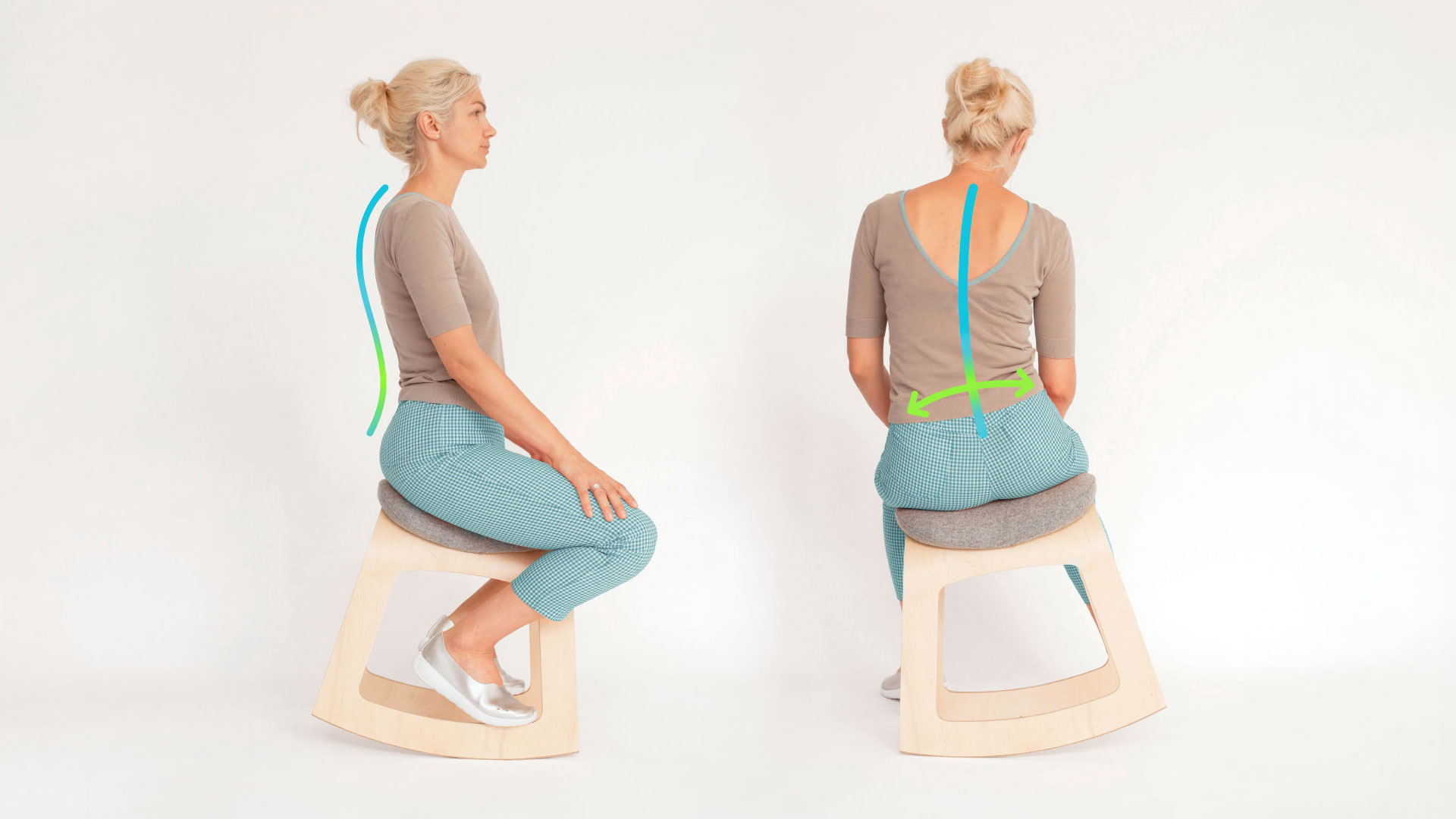
A neutral spine position is the posture where the load on the spine is distributed optimally. In sitting, this means maintaining the natural curves of the spine — cervical lordosis, thoracic kyphosis, and lumbar lordosis — while keeping the pelvis slightly tilted forward.
You should feel your sit bones making contact with the chair, which usually indicates that the pelvis is positioned correctly. Maintaining a neutral spine and introducing small movements during sitting can reduce spinal load while activating deep stabilizing muscles that help prevent tension and pain.
In short: sit neutral and move often.
Are You a Prolonged Sitter?
If you spend most of your workday sitting, the answer is probably yes. Prolonged sitting can contribute to several symptoms and health concerns (Arippa et al., 2022; Paterson et al., 2020):
- Tension or pain in the lower back, neck, or chest;
- Leg heaviness or swelling;
- Weak glute muscles;
- Reduced mobility in the hips and shoulders;
- Fluid retention in the extremities;
- Increased cardiovascular health risks.
Left unaddressed, these symptoms can worsen over time. The good news is that proper sitting posture, regular movement, and an ergonomic office chair can significantly reduce spinal stress during long workdays.
Key Features to Look for in the Best Office Chair for Back Pain
A supportive office chair should include several essential ergonomic features:
- Lumbar support — helps maintain the natural curve of the lower back;
- Adjustable seat height and depth — supports proper leg positioning;
- Reclining and adjustable backrest — encourages varied sitting positions;
- Breathable, supportive materials — reduce pressure and discomfort;
- Adjustable armrests — help reduce tension in the shoulders and neck.
These features can make a significant difference between a generic chair and one that genuinely supports spinal health.
Alternative Seating Options That Support Your Back
Traditional ergonomic chairs are not the only option for reducing the negative effects of prolonged sitting.
Active sitting chairs are becoming increasingly popular because they encourage movement and offer additional health benefits compared to conventional office chairs. Scientific research supporting active sitting is helping these chairs gain recognition in workplaces worldwide.
Active Sitting Chairs
Saddle chairs, rocking stools, and balance chairs encourage micro-movements, activate stabilizing muscles, and help maintain healthier spinal alignment. These options are often recommended for people who struggle with stiffness or discomfort during long periods of desk work.
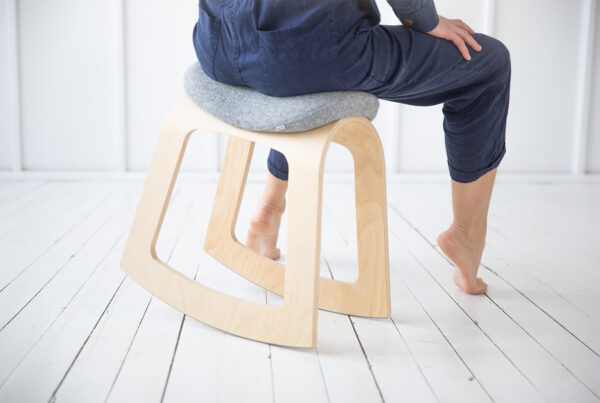
Muista Chair
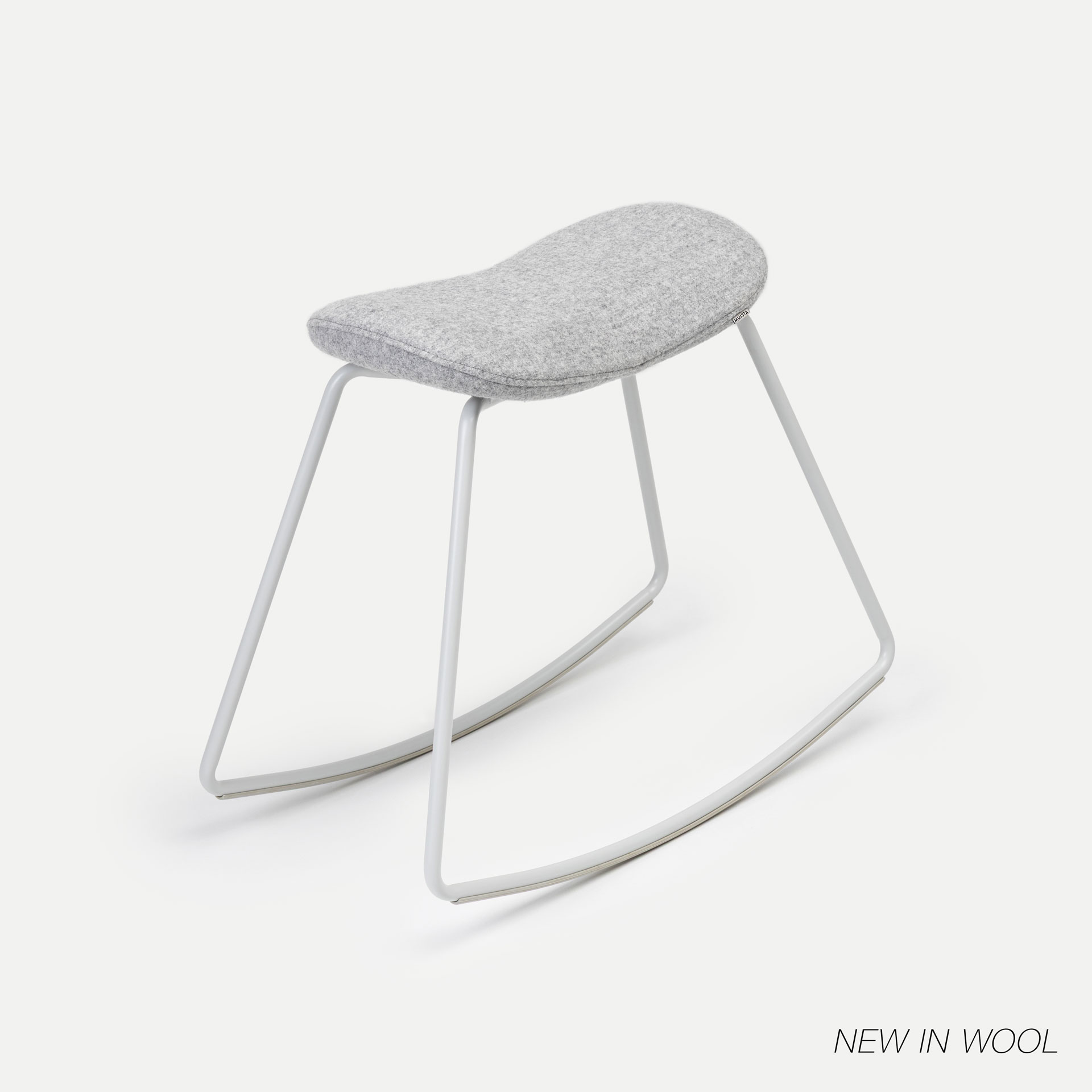
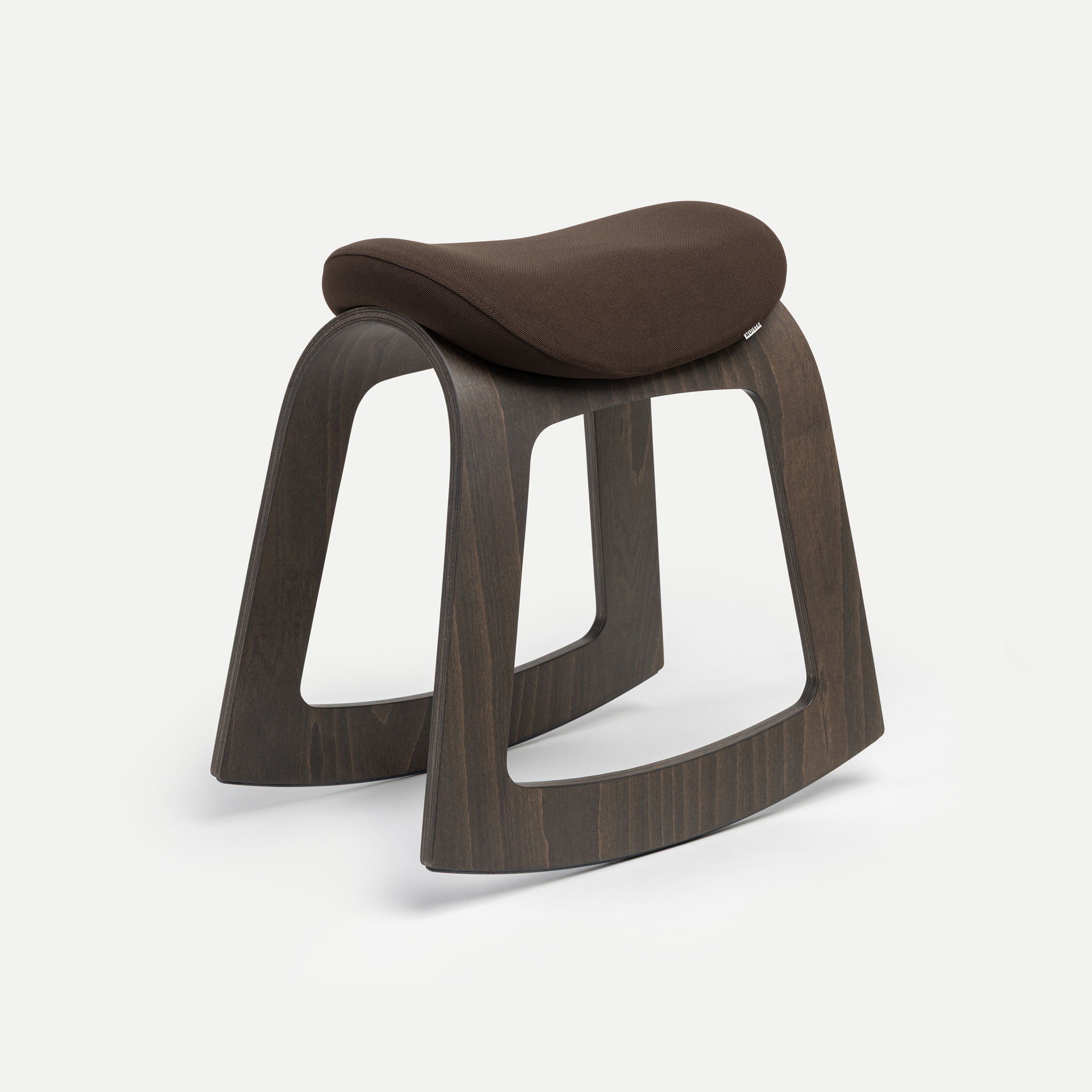
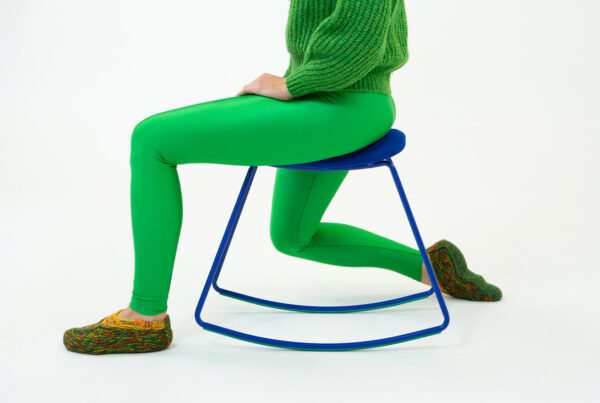
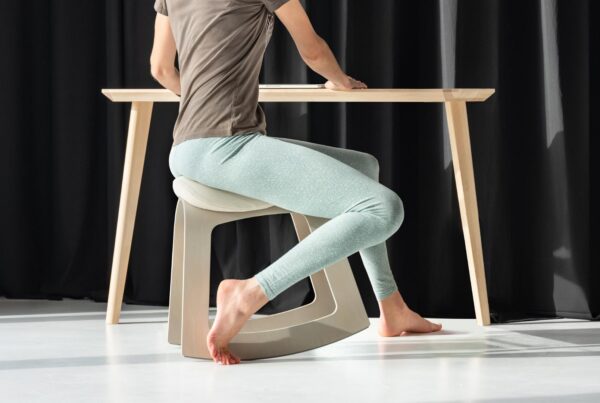
The Muista chair is a unique example of movement-based ergonomic design. Its dynamic structure supports gentle rocking, posture shifts, and even discreet fidgeting. This makes it particularly suitable for creative work and extended sitting sessions.
Beyond comfort, the chair encourages subtle pelvic movement and helps maintain proper spinal alignment, both of which are important for long-term spinal health.
A Hybrid Approach
For many people, the best solution combines multiple working positions throughout the day. Alternating between a traditional ergonomic chair, active sitting, and standing can help reduce stiffness, improve circulation, and maintain energy levels.
In many cases, the best office chair setup for back pain is not a single chair, but a flexible combination of movement-friendly options.
Best Sitting Positions for Back Pain Relief
If you already work in a sedentary job, these simple adjustments can help reduce or prevent lower back pain:
- Maintain a neutral spine position with feet flat on the floor;
- Keep knees bent at approximately 90 degrees;
- Take short movement breaks every 30–45 minutes;
- Use reclining or active sitting positions when possible;
- Incorporate quick stretches or exercises at your workstation.
There is no single perfect sitting posture. The healthiest approach is to change positions regularly and give your body opportunities to move throughout the day.
Conclusion
While no chair is a complete solution to back pain, the right chair can significantly reduce strain and discomfort. However, even the best office chair for back pain will not help if you remain completely still all day.
Invest not only in your chair, but also in movement habits that support your health. Start with small changes: adjust your sitting posture, set reminders to stand up every 40 minutes, and experiment with active sitting solutions. Over time, these small adjustments can make a major difference in how your body feels at work.
Author: Milda Gaigalaite
Co-author and scientific editor: Ieva Aleknaitė-Dambrauskienė
References:
Alaca, N., Acar, A. Ö., & Öztürk, S. (2025). Low back pain and sitting time, posture and behavior in office workers: A scoping review. Journal of Back and Musculoskeletal Rehabilitation. https://doi.org/10.1177/10538127251320320
Arippa, F., Nguyen, A., Pau, M., & Harris-Adamson, C. (2022). Postural strategies among office workers during a prolonged sitting bout. Applied Ergonomics, 102, 103723. https://doi.org/10.1016/j.apergo.2022.103723
Paterson, C., Fryer, S., Zieff, G., Stone, K., Credeur, D. P., Barone Gibbs, B., Padilla, J., Parker, J. K., & Stoner, L. (2020). The effects of acute exposure to prolonged sitting, with and without interruption, on vascular function among adults: A meta-analysis. Sports Medicine, 50(11), 1929–1942. https://doi.org/10.1007/s40279-020-01325-5
Waongenngarm, P., & Rajaratnam, B. S. (2015). Perceived body discomfort and trunk muscle activity in three prolonged sitting postures. https://doi.org/10.1589/jpts.27.2183