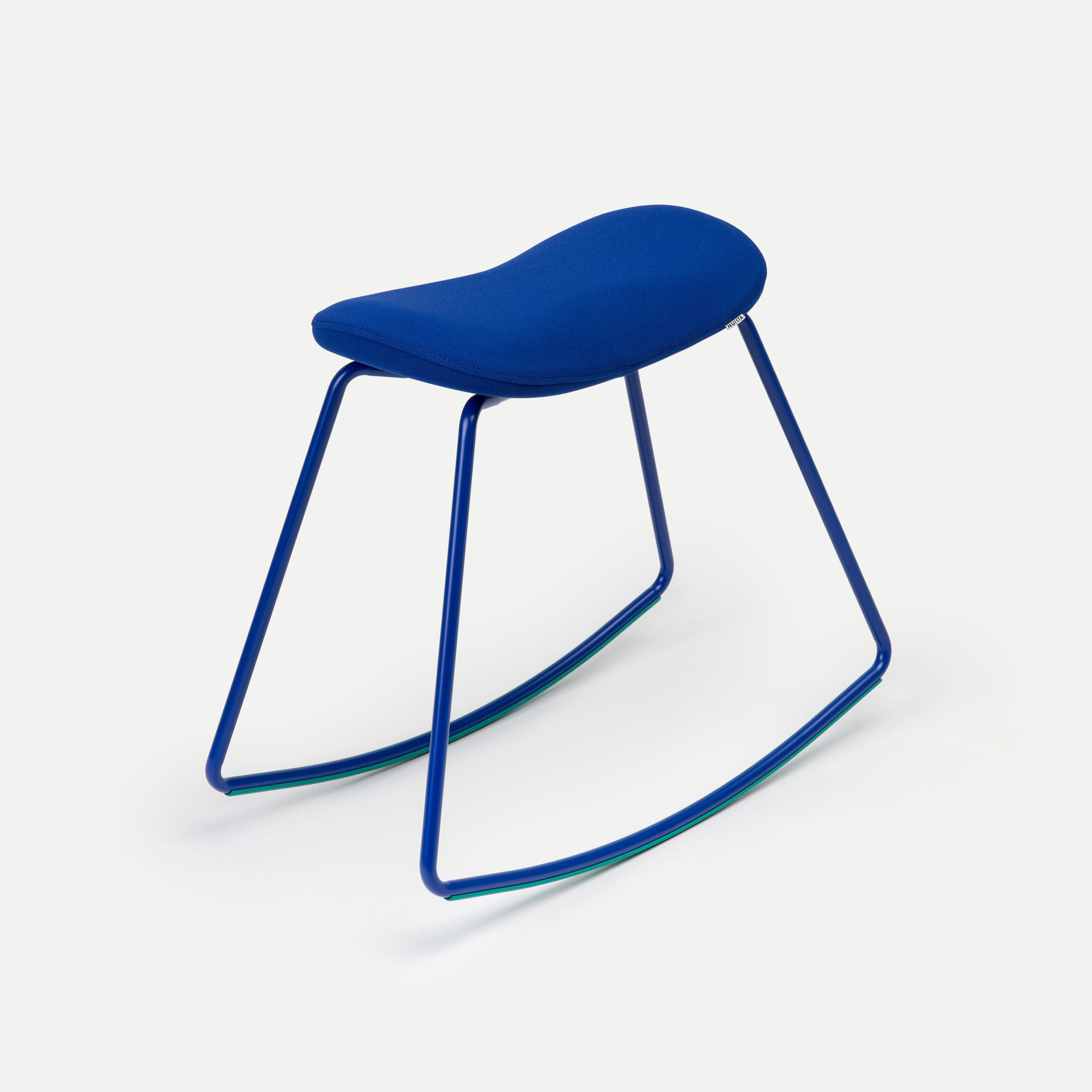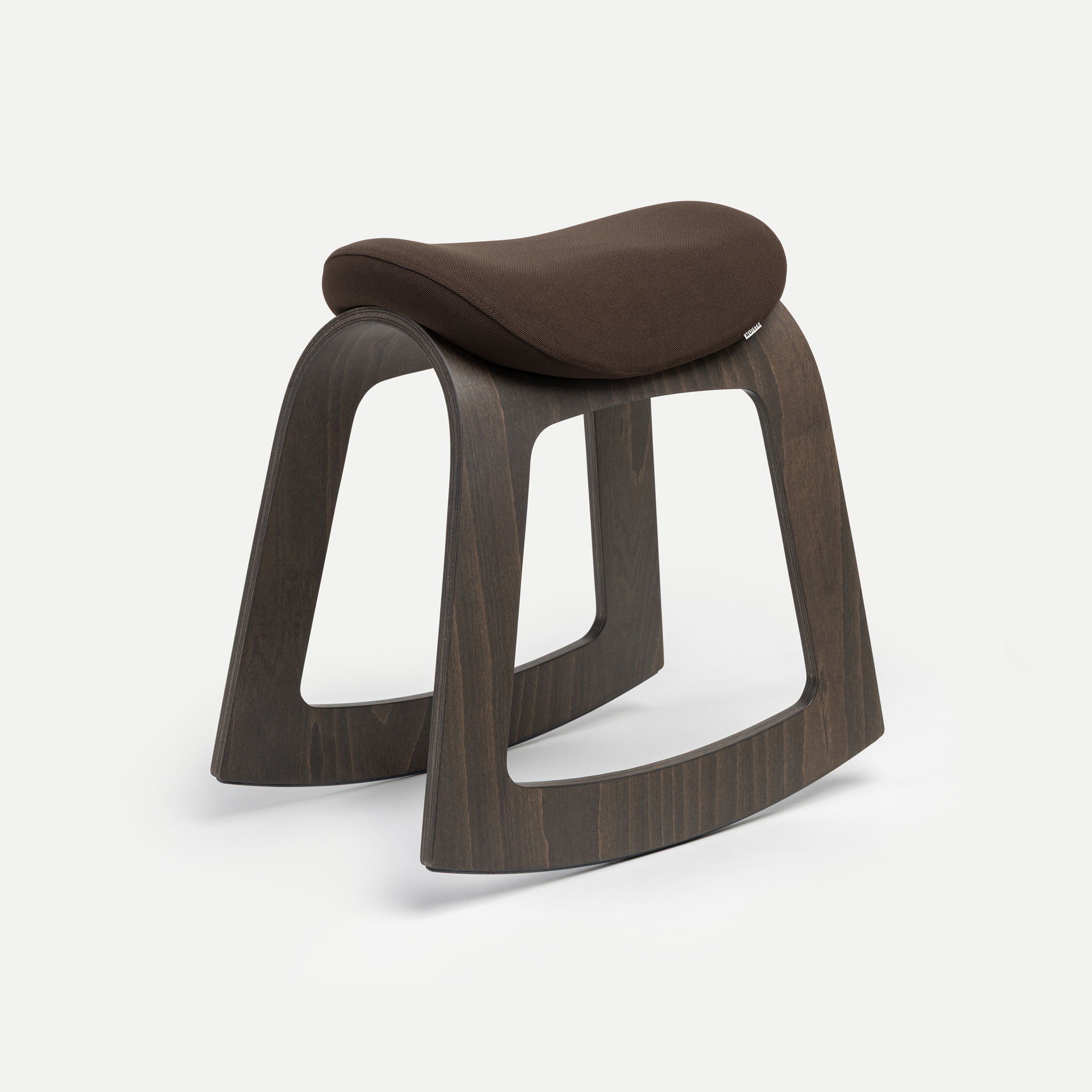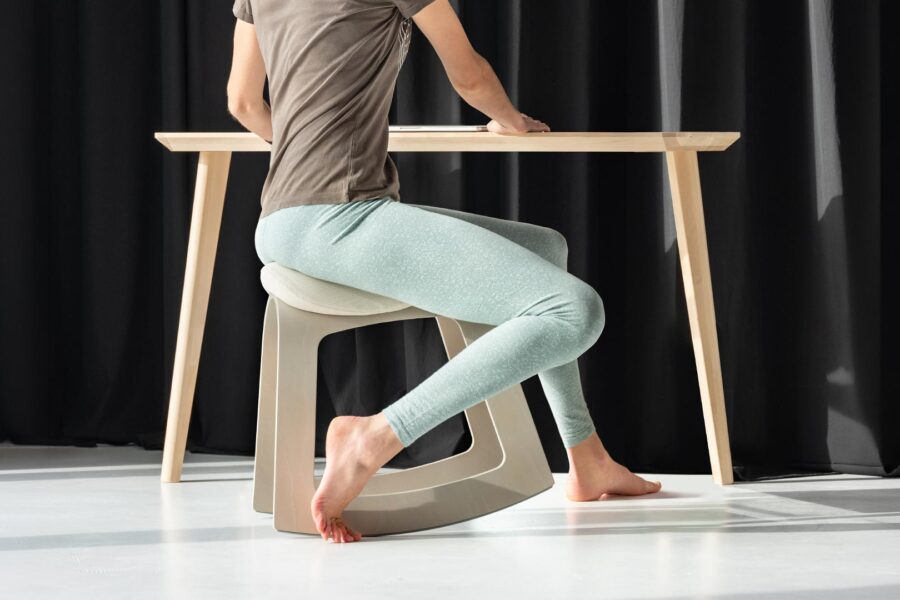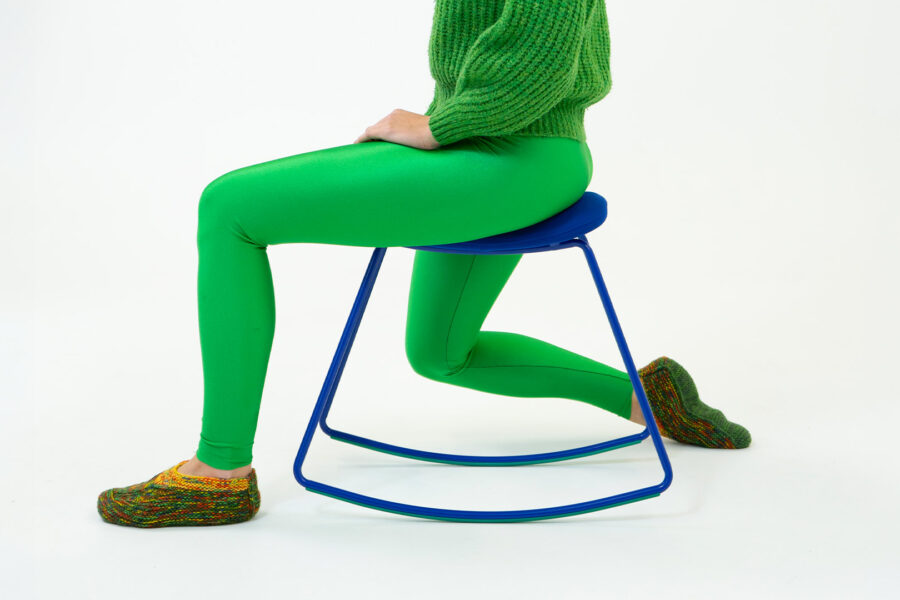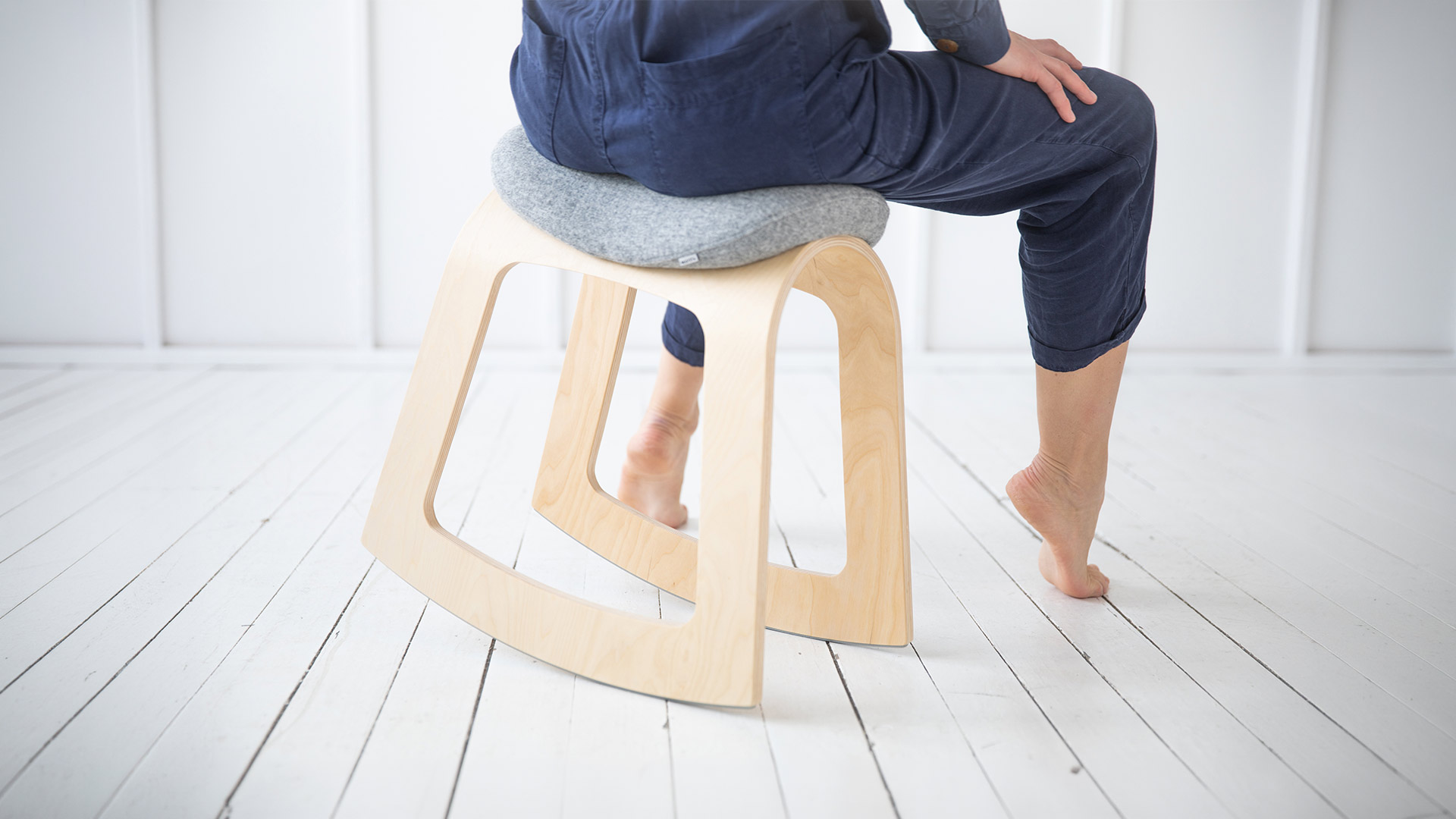
Prolonged hours of static sitting, both at the office and later at home, have become a modern-day endurance sport, only without the medal. However, the human body is designed to move. As we become more aware of the consequences of prolonged sitting, the passive nature of sitting is being challenged. Active sitting chairs offer a fresh approach, encouraging subtle yet constant movement that not only improves posture but also helps you stay sharper, healthier, and a little less fused to your desk chair.
What Is an Active Chair?
An active chair allows your body to move while performing the usual desk tasks. Unlike traditional chairs, active sitting chairs encourage the natural body micromovements. Think of them as “wiggle-friendly” seating. These subtle, constant movements reduce the negative effects of prolonged static sitting, keep your circulation humming, muscles switched on, and posture naturally in check.
The Science Behind Micromovements
Every muscle, tendon, and joint in our body has receptors that sense changes in body position – even the smallest ones. This ability is called proprioception – your body’s internal GPS for knowing where it is in space. It’s a part of the somatosensory system, which helps us feel touch, movement, and position.
When we sit or stand on an unstable surface, the body constantly sends signals to the brain, saying: “Adjust! Balance! Don’t tip over!” This happens automatically – you do not even think about it, but your muscles respond in real time.
Sitting on an active wobbly chair works similarly. When the body slightly moves the chair, it has to stay alert and ready to react to the unstable situation. Deep stabilizing spine muscles, also known as tonic muscles, get the signal to be engaged and help you to stay upright. These muscles have slow-twitch muscle fibers, which means that they’re built for stamina, not sprints, and can maintain posture for prolonged periods. In contrast, high-amplitude movements, mostly call on our larger phasic muscles, designed for bursts of power rather than endurance.
However, if we sit statically for long periods or do not move much during the day, these deep spine stabilizing muscles weaken: our proprioception becomes less efficient, and it takes more effort to stay balanced. Research shows that there is a strong correlation between prolonged static sitting and lower back pain in the lumbar area (Odesola et al., 2024). The good news? Like any skill, balance and muscle coordination can be retrained. Your body’s “autocorrect” gets better with practice.
Health Benefits of Active Sitting
Active sitting isn’t just about fidgeting for fun — those small, steady movements can trigger a chain reaction of health perks:
- Activate core muscles. Subtle active sitting movements engage small muscles that are responsible for spine stabilization and help prevent back pain.
- Increase fluid exchange and nutrition in the spine discs. Continuous micromovements keep the vertebral column of the spine in gentle motion, which is necessary for oxygenation and nutrition of our intervertebral discs.
- Promote neutral spine position. Active sitting restores the balance of our musculature of the lumbar spine and increases the forward pelvic position. In contrast, passive sitting promotes a backward pelvic position, and we lose the neutral lumbar spine position that optimally distributes the load to our intervertebral discs.
- Improve cognitive skills. Constant movement and small exercises at work, such as standing up from the sitting position, improve our productivity and performance.
- Encourage better breathing. The upright neutral spine position opens up our chest and reduces the load on the diaphragm, which automatically ensures better air flow to our lungs.
Breathing and Posture: The Overlooked Connection
Prolonged static sitting has a direct impact on our breathing. The comfortable slumped position increases spine stiffness, decreases range of motion in the thoracic spine, and makes it harder to breathe properly. Long sitting time also contributes to decreased lung volume during inhalation, and makes muscle contraction less effective when exhaling (Lurati, 2018). Our diaphragm ends up under extra tension from gravity’s constant pull, and, as a consequence, we cannot breathe deeply.
Impaired breathing does not only affect the respiratory system – it also affects our psychological and neurological well-being. Restricted breath impacts oxygen flow to the brain, which can make you foggy, cranky, and more likely to reach for that third coffee. It affects our mood, concentration, blood oxygenation, posture, and parasympathetic nervous system. Absence of these biopsychological factors leads to chronic stress that also increases lower back pain (Sullivan Nick et al., 2021).
By promoting an upright posture and spinal alignment, active sitting can improve breathing mechanics, support nervous system balance, and reduce overall stress load on the body, which is not a bad return for simply sitting differently.
The Problem with Cross-Legged Sitting
While we've discussed the issues of static and slumped sitting, another common habit deserves attention: sitting with crossed legs, posture’s charming but slightly toxic friend.
Sitting with crossed legs (cross-legged position or with one knee over the other) increases pelvic obliquity and promotes a posterior pelvic tilt (Jung et al., 2020). No matter how stylish it may look, this posture places additional compression on the gluteal and piriformis muscles, potentially weakening them over time. It also increases rotational stress on both the pelvis and lumbar spine, which may negatively affect hip joint alignment and contribute to lower back discomfort or dysfunction.
In most cases, active chairs are not comfortable to sit in with crossed legs because they are active. Try shifting your weight to one side, and you’ll quickly discover it’s a balancing act, literally. That’s why an active chair is a smart choice, it supports your posture and keeps both sides of your body working in balance.
Do Active Sitting Chairs Work? What Research Says
Studies show that some of the active chairs can increase the activity of deep muscles in the spine (Kuster et al., 2020). Activation of deep spine stabilizing muscles has a lot of advantages. They improve our posture, strength, overall spine health, and reduce back pain, turning sitting time into a mini workout for your back.
Choosing the Best Active Sitting Chair for You – Muista Chair
Not all active sitting chairs are created equal. When choosing the best active sitting office chair for your needs, it’s important to consider the movement, your daily habits, physical goals, and, of course, the design. Let’s explore why the Muista Chair stands out as an excellent choice for active sitting.
Type of Movement
Muista chair is an active chair that allows micromovements in multiple planes of motion — both forward-backward and side-to-side. This variability mimics the natural human pelvic movements we use during activities like walking.
Balance and instability
Muista chair strikes the right balance between challenge and safety, offering gentle instability that promotes balance, proprioception, and improved trunk control, making it ideal for anyone looking to activate deep postural muscles and stay engaged throughout the day.
Neutral spine position
The Muista chair’s forward-backward movement promotes a neutral lumbar spine position, helping to distribute the load on your intervertebral discs more evenly.
Design
The Muista chair pairs a clean, minimalistic design with a palette of colors to suit any mood, proving that your posture support can be as stylish as it is functional.
Conclusion
People often default to a standard office chair, but research shows that an active chair may be the healthier option (Léger et al., 2022). Pairing an active chair with a sit-to-stand workstation? That’s the ergonomic equivalent of a power couple, combining movement, flexibility, and comfort to keep both your body and your workday in top form.
Author: Milda Gaigalaite
Co-author and scientific editor: Ieva Aleknaitė-Dambrauskienė
Resources
Jung, K. S., Jung, J. H., & In, T. S. (2020). The effects of cross-legged sitting on the trunk and pelvic angles and gluteal pressure in people with and without low back pain. International Journal of Environmental Research and Public Health, 17(13), 1–9. https://doi.org/10.3390/ijerph17134621
Kuster, R. P., Bauer, C. M., & Baumgartner, D. (2020). Is active sitting on a dynamic office chair controlled by the trunk muscles? PLoS ONE, 15(11 November), 1–15. https://doi.org/10.1371/journal.pone.0242854
Léger, M. C., Cardoso, M. R., Dion, C., & Albert, W. J. (2022). Does active sitting provide more physiological changes than traditional sitting and standing workstations? Applied Ergonomics, 102. https://doi.org/10.1016/j.apergo.2022.103741
Lurati, A. R. (2018). Health Issues and Injury Risks Associated With Prolonged Sitting and Sedentary Lifestyles. Workplace Health and Safety, 66(6), 285–290. https://doi.org/10.1177/2165079917737558
Odesola, D. F., Kulon, J., Verghese, S., Partlow, A., & Gibson, C. (2024). Smart Sensing Chairs for Sitting Posture Detection, Classification, and Monitoring: A Comprehensive Review. Sensors, 24(9). https://doi.org/10.3390/s24092940
Sullivan Nick, Hebron, & Vuoskoski P. (2021). “Selling” chronic pain: physiotherapists’ lived experiences of communicating the diagnosis of chronic nonspecific lower back pain to their patients. Physiotherapy Theory and Practice, 37(9), 973–992. https://doi.org/10.1080/09593985.2019.1672227