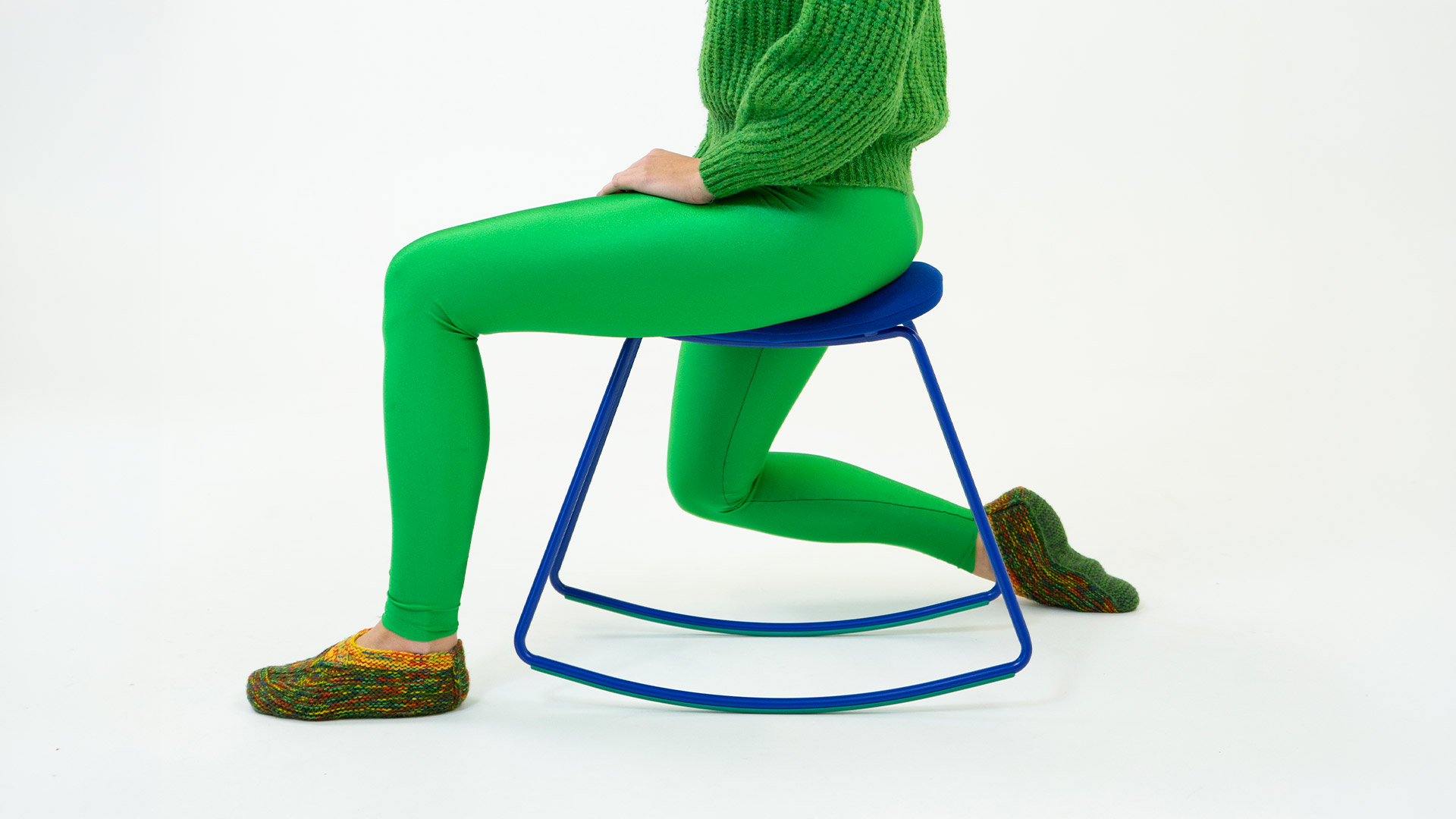
They say sitting is the new smoking, but most of us don’t have a choice. Whether you're in an office or working from the kitchen table, hours of sitting come with the job. And while that chair might look harmless (or even expensive), if it keeps you still, it's silently chipping away at your health.
Prolonged sitting is linked to a long list of problems: from stiff backs and poor posture to slower metabolism, reduced focus, and even chronic illness. The bad news? Shifting in your chair every hour doesn’t cut it, and neither does hitting the gym after work. The good news? There’s a smarter way to sit – one that keeps your body gently engaged, your mind more alert, and your spine a lot happier.
It’s called active sitting, and in this article, we’ll break down exactly what it is, why it matters, and how to start doing it right. If your job keeps you in a chair for most of the day, this one’s for you.
What Is Active Sitting?
Active sitting is a concept rooted in movement. Instead of locking your body into a fixed, motionless posture for hours, active sitting promotes intuitive micro-movements while you work. This keeps your core engaged, blood circulating, and muscles awake.
It’s not just about fidgeting randomly, though. Think consistent intentional movement, just like exercise: swaying, tilting, and shifting supported by smartly designed tools like dynamic chairs or balance stools. Active sitting encourages your body to stay alert even in seated positions, which has a wide range of physiological and cognitive benefits.
The Rise of Active Sitting (And Why We Needed It)
The rise of active sitting didn’t happen overnight. It’s the result of decades of growing awareness about how sedentary lifestyles, and especially those rooted in desk jobs, have impacted our bodies and minds. As computer use and screen time have surged, so have musculoskeletal issues, cognitive sluggishness, and overall fatigue. People began to realize that simply having an ergonomic chair or standing up now and then wasn’t enough. We needed a better way to sit.
Active sitting was born from this need. It's a dynamic, research-backed approach to making our sedentary time more aligned with how the human body functions best: in motion. But to fully appreciate what it solves, we first need to understand the actual harms of passive sitting.
Passive Sitting Problems
Passive sitting, when you're seated in a fixed, motionless posture for long stretches, may seem harmless and even comfortable at first, but it causes a surprising cascade of physiological and cognitive issues. The body craves movement, and depriving it of motion for hours at a time has both short- and long-term consequences.
Let’s unpack the key problems associated with passive sitting and see how they pile up over time.
1. Back Pain
Back pain is arguably the most common and widely felt consequence of sedentary work life. In fact, 37% of all lower back pain cases globally are linked to the workplace (Sowah et al., 2018). But why exactly does sitting hurt our backs?
It’s not just the act of sitting – it’s the prolonged, static posture that comes with it. When we remain in a slouched or forward-leaning position for long periods, we place extended postural load on the lumbar spine (Channak et al., 2022). This increases stiffness and inhibits the activity of trunk-stabilizing muscles, leading to pain or even injury over time.
Office workers typically spend their time in one of three positions: upright, slumped, or leaning forward. Slumped posture reduces stabilizing muscle activity, while forward leaning increases muscle over-activity, causing fatigue and imbalance. People with chronic lower back pain often exhibit atrophy in the lumbar multifidus, a small but crucial muscle responsible for spinal stabilization. Alarmingly, research shows these trunk muscles remain inactive for 30% of total sitting time (Kuster et al., 2020), weakening the spine’s natural support system.
2. Metabolic Disruption and Increased Mortality Risk
People who sit for more than 10 hours a day (and yes, that includes the hours spent lounging after work) show a significant correlation with higher all-cause mortality. But how does this happen? Research indicates that prolonged sitting affects the activity of key muscle proteins responsible for glucose transport (Park et al., 2020). Additionally, physical inactivity reduces lipoprotein lipase (LPL) activity – an enzyme that helps manage cholesterol levels. These internal disruptions compromise metabolic function and contribute to chronic disease and premature death. So, the issue isn’t just sitting – it's what your body stops doing when you sit too much, too often.
3. Poor Circulation and Inflammation
Sedentary behavior doesn’t just make you stiff, it reshapes your vascular and metabolic health. Prolonged sitting increases peripheral vascular resistance and reduces systemic blood flow, prompting a sympathetic nervous system response that lowers insulin sensitivity and impairs vascular function. This chain reaction marks the beginning of what researchers call an inflammatory cascade, potentially leading to chronic conditions. To make matters worse, sitting for longer periods has been linked to increases in waist circumference – by about 3.1 cm (1.22 inches) for every 10% rise in sitting time – adding metabolic strain to the equation.
4. Cognitive Fatigue
Think sitting only affects your back? Think again. Reduced blood flow from prolonged sitting also affects your brain. Studies have shown that breaking up long sitting periods with movement can improve executive function, memory, attention, and visuospatial skills (Chandrasekaran et al., 2021). Without movement, mental clarity takes a hit, making even simple tasks feel like a slog.
5. Muscle Imbalance
Our bodies aren’t designed to stay still for hours. Passive sitting keeps the trunk muscles, including the deep core stabilizers, mostly inactive. Over time, this leads to muscular imbalance, stiffness, and reduced postural support. The longer these muscles go unused, the harder it becomes for them to support your spine – even when you’re not sitting anymore.
Together, these risks form a compelling argument for rethinking how we sit – because when your chair is static, your body pays the price.
Active Sitting Benefits: How It Solves These Problems
Active sitting doesn’t just sound smart, it is smart. It addresses the exact physical and cognitive drawbacks of passive sitting by keeping your body gently in motion, even while you work. Here’s how it tackles each problem:
1. Back Pain Relief
By allowing small movements in the pelvis and spine, active sitting engages the trunk and lumbar stabilizers, particularly the multifidus muscles. These muscles – which often go dormant in static postures – are essential for maintaining spinal support. Regular activation prevents stiffness and reduces the risk of injury or chronic lower back pain.
2. Improved Metabolism
When your muscles move, even slightly, they signal your body to maintain metabolic activity. Active sitting reactivates the suppressed muscle proteins responsible for glucose transport and helps maintain lipoprotein lipase (LPL) activity—both critical for managing blood sugar and cholesterol levels (Park et al., 2020). It may not be cardio, but it’s a big improvement over staying static.
3. Better Circulation and Lower Inflammation
Micro-movements help maintain steady blood flow, reducing peripheral vascular resistance and encouraging healthy vascular function. This staves off the inflammatory cascade often triggered by long periods of stillness. In the long run, better circulation means better oxygen and nutrient delivery – two things your body (and brain) desperately need during work hours.
4. Sharper Cognitive Function
Movement isn't just for the body – it’s brain fuel, too. Active sitting has been linked to improvements in executive function, attention, memory, and visuospatial performance (Chandrasekaran et al., 2021). More movement = more blood to the brain = clearer thinking.
5. Muscle Balance and Postural Support
By shifting positions and subtly rocking throughout the day, active sitting encourages regular activation of postural muscles. This prevents the muscular imbalance and fatigue that result from static postures. The more evenly your muscles work, the less pain and strain you accumulate.
In short, active sitting transforms your chair from a passive health liability into a low-key piece of wellness equipment. Even if you’re just answering emails, your body is doing something good for itself – and that’s a win.
Active Sitting Solutions
Not all active sitting solutions are created equal. The good news? They don’t all have to cost you a paycheck either. Depending on your budget and commitment, here are three categories of tools that can help you integrate movement into your sitting routine.
No-Cost: How to Stay Active While Sitting at a Desk
Before investing in new furniture, you can try a few simple adjustments to make your current chair more dynamic:
- Set regular movement reminders: Use a phone alarm or smart watch to nudge yourself to shift positions, stretch, or stand every 20–30 minutes. Bonus points if you take a quick lap around the room.
- Incorporate micro-movements: Add low-key exercises like torso twists, shoulder rolls, pelvic tilts, or seated stretches. You can also try:
- Calf raises: Lift your heels while keeping toes down.
- Leg extensions: Straighten one or both legs under the desk.
- Glute squeezes: Tighten and hold your glutes for 5–10 seconds.
- Shoulder blade squeezes: Pull your shoulder blades together and release.
- Neck stretches & chin tucks: Improve posture and reduce neck tension.
These strategies are free and can help introduce variability, but they require conscious effort and don’t provide structural support.
Paid Options: Purpose-Built Active Sitting Tools
If you’re ready to commit, there are several purpose-built solutions designed to make active sitting seamless:
- Balance balls and wobble cushions: These add instability and engage your core. They’re budget-friendly but not great for long sessions.
- Kneeling chairs: These promote open hip angles and upright posture. Good for posture training, but they can be tough on knees or shins.
- Active chairs: These dynamic tools encourage gentle micromovements, helping to activate your core, reduce stiffness, and support better posture.
Combined Solutions: Layering Tools and Habits
You don’t have to choose just one route. Some of the best setups combine budget-friendly tweaks with ergonomic gear:
- Use a balance cushion on your regular chair while adding regular movement reminders.
- Alternate between a kneeling chair and an active stool, depending on your task.
- Pair an active chair with a sit-stand desk for complete flexibility.
The goal is to build movement into your workflow in a way that feels natural and sustainable. Whether you’re going DIY, investing in ergonomic furniture, or mixing it up, the key is consistency and motion.
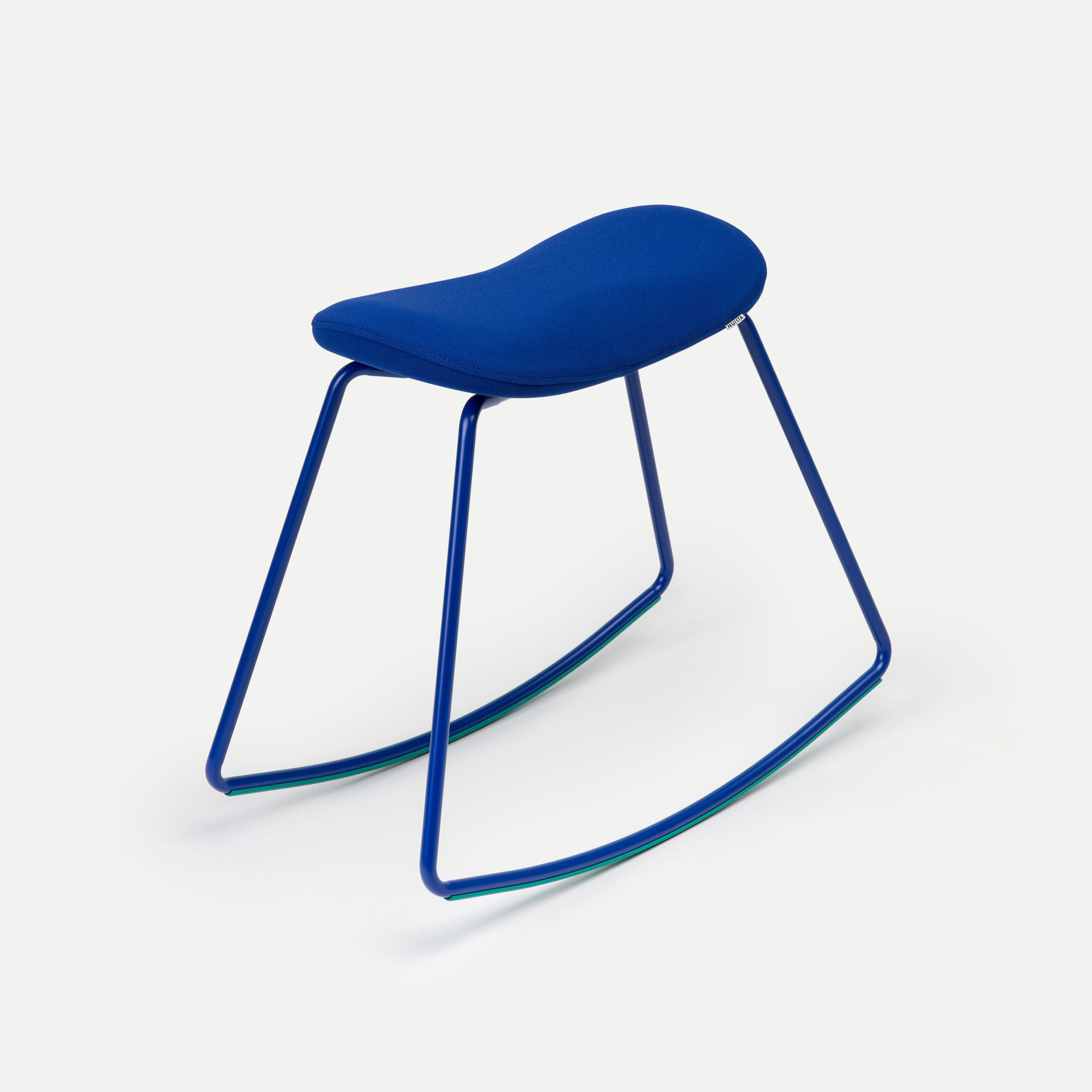
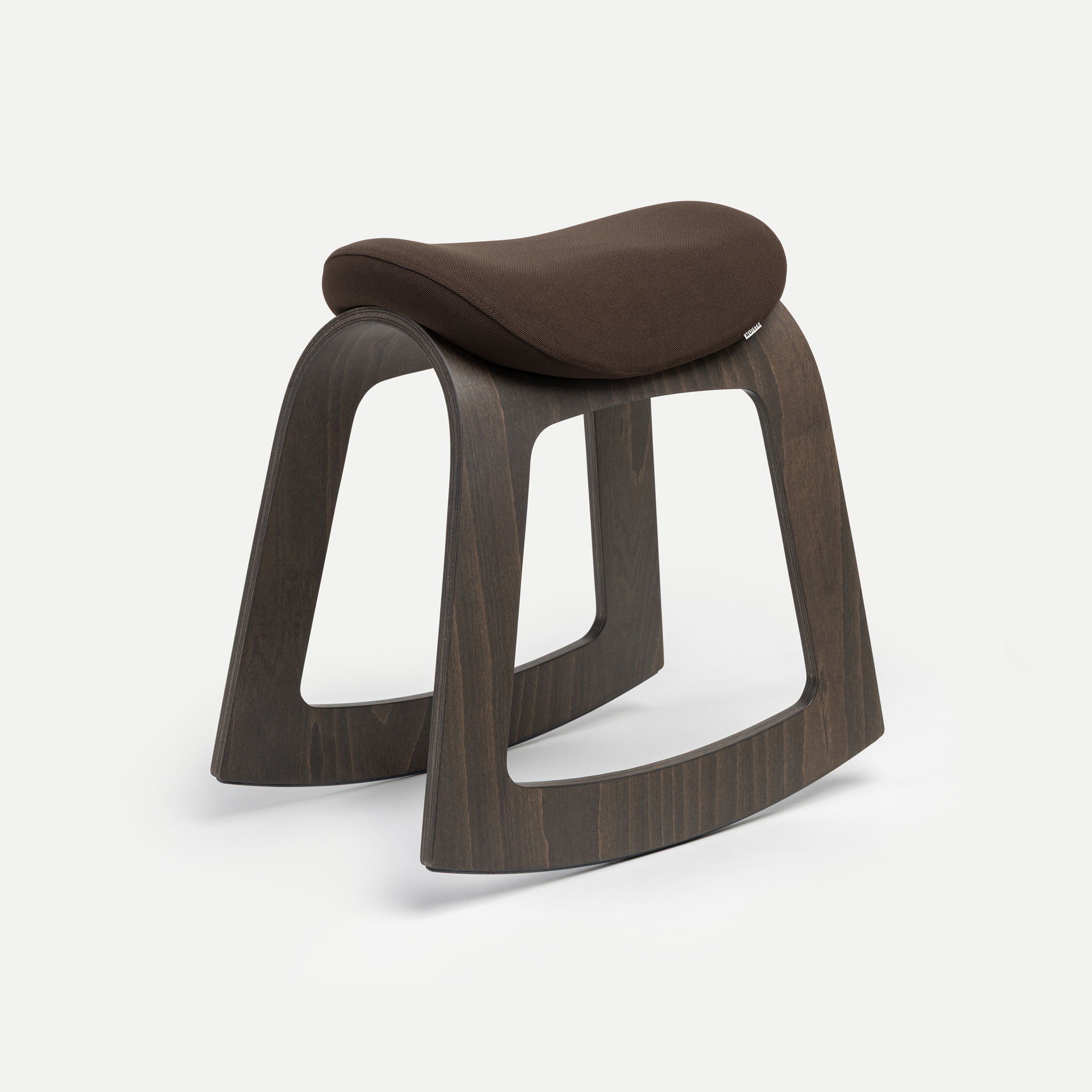
The Ultimate Active Sitting Solution: Chair by Muista
Muista is more than just a chair – it’s a thoughtfully engineered solution for people who sit long hours but want to avoid the pitfalls of passive sitting. Designed with both biomechanics and real-life work habits in mind, Muista encourages continuous, low-effort movement that actively supports your body while you focus on your tasks.
A 2-in-1 Dynamic Design
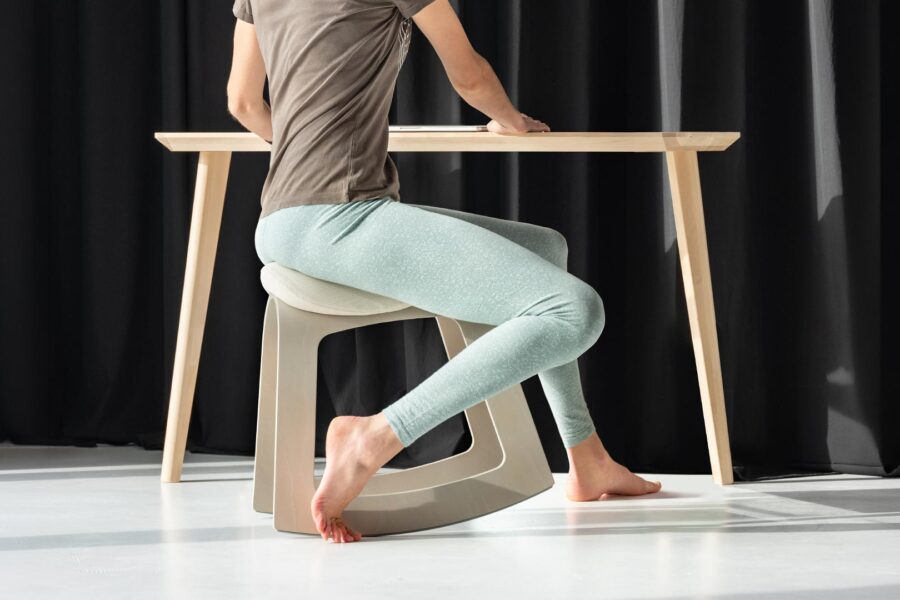
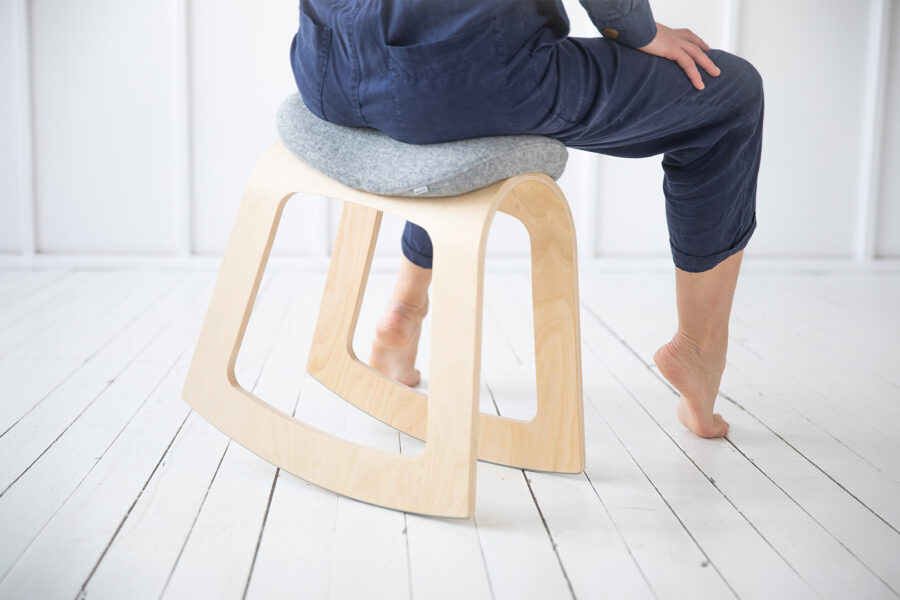
One of Muista's standout features is its two-in-one seating configuration. Simply turn the chair to switch between a saddle-style position and a bench-style position. Each mode activates different muscle groups and alters your posture, preventing your body from locking into a single shape. This adaptability helps reduce fatigue, promote healthy spinal curvature, and keep you more alert during long sessions.
Switching between these two modes isn’t just about comfort – it helps redistribute load across your muscles and joints, allowing your body to move and recover while staying productive. It’s like doing low-intensity exercise without even thinking about it.
Rocking That Works With You
At the heart of Muista's dynamic function is its multi-directional rocking capability. Unlike static chairs and even other active options, Muista gently rocks forward–backward and side-to-side. Each motion delivers specific benefits:
- Side-to-side rocking stimulates your obliques and the quadratus lumborum, muscles responsible for lateral trunk stability. This movement also helps maintain hydration and nutrient flow in the spinal discs, which are otherwise compressed during static sitting (Pearse et al., 2024).
- Forward-backward rocking supports the natural motion of your pelvis and maintains lumbar lordosis – a healthy inward curve of the lower spine. This subtle pelvic motion activates deep stabilizers like the multifidus and reduces pressure buildup caused by static posture.
These micro-movements are gentle and intuitive, which means they help without distracting you from work. The result? Less stiffness, better posture, and greater long-term comfort.
Focus, Fueled by Motion
Muista isn’t just good for your spine – it’s good for your mind. Studies have shown that movement boosts cognitive function, and many Muista users report improved concentration and reduced restlessness. This is particularly important for those with ADHD, sensory sensitivities, or jobs requiring long hours of deep focus.
The gentle rocking helps regulate arousal levels, making it easier to stay in the zone without feeling jittery or overstimulated. That’s why many professionals, therapists, and educators recommend active seating options like Muista for people with attention challenges.
By merging design with neuroscience, Muista offers more than posture support; it offers a better working experience overall.
Who We Are, and Why This Matters
We’ve been developing active seating solutions since 2017, and we’re proud to be among the pioneers in this space. We know the research, we know the tools, and we’ve seen firsthand what works. Yes, this article promotes our chairs, but only because they deserve it. Just read our reviews above.
More importantly, we want to help shift the outdated narrative around office sitting: from passive support to active comfort that actually benefits your body.
Final Thoughts: Sit Less Still, Live More Fully
Prolonged, passive sitting isn’t just a bad habit, it’s a health risk with wide-ranging consequences. But we now know the solution isn’t simply to stand more or hit the gym. It’s about rethinking how we sit altogether.
Active sitting isn’t a trend; it’s a fundamental shift in how we approach comfort and productivity. Whether through no-cost tweaks, a purpose-built Muista chair, or a hybrid setup, you have options to transform your workspace into one that supports your body and mind.
So the next time you take a seat, ask yourself: are you moving, even a little? If not, it’s time to start.
Author: Milda Gaigalaite
Co-author and scientific editor: Ieva Aleknaitė-Dambrauskienė